
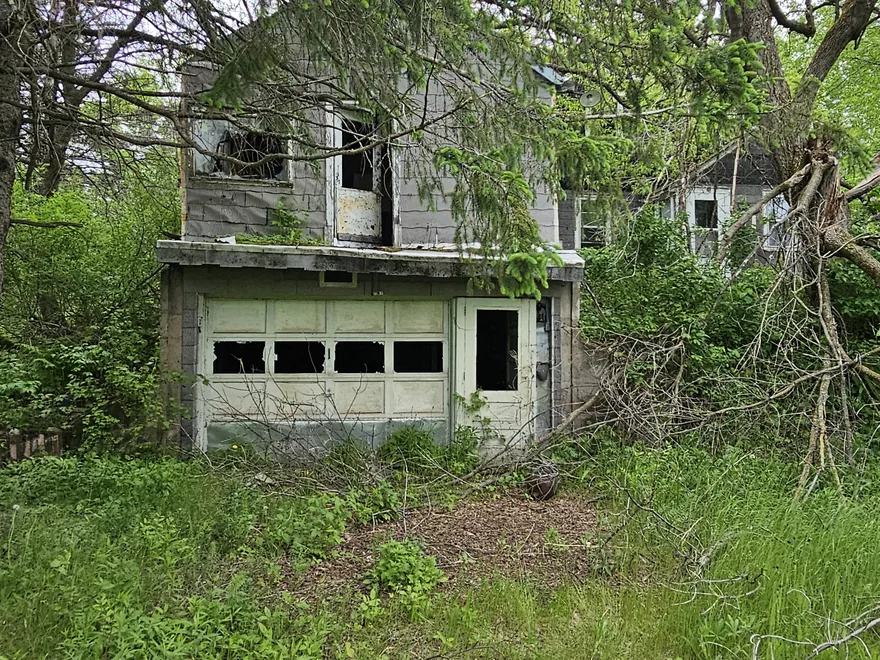
Demolition
We take down old houses, cabins, barns and sheds, and the concrete foundation comes out with them. The debris gets hauled away, and the site is ready for the next build.
Learn More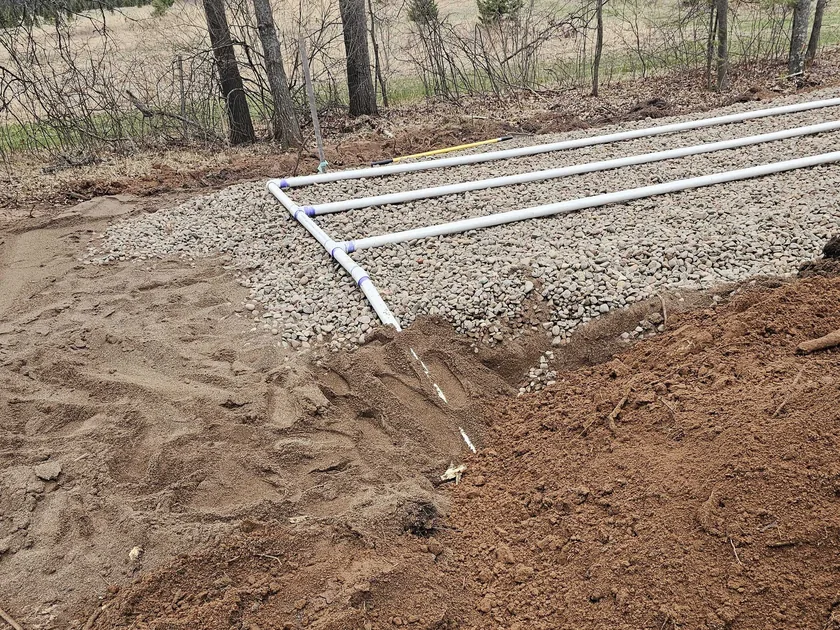
Septic system installation puts a new septic tank and drainfield in the ground, built to a septic designer's plan. Most of our septic work is for new homes on rural lots and acreage without city sewer. Wolf Creek Dirt Works does the digging and the install, and we can line up the designer for you.
We plan the septic work with the rest of the site preparation for a new house. As an excavation company serving Sturgeon Lake, we work for landowners and builders across the area. Call or text (218) 820-9653 for a free estimate in writing.
Tell us about the job and where the property is. We look at it and put your free estimate in writing.
Minnesota splits the work on a new septic system among separate roles. A septic designer checks the soil and draws the plan. As septic system installers, we build the system to that plan. An inspector then checks the finished work.
The designer's soil work comes first. State rules call for at least three soil checks in the drainfield area, in open pits or hand-bored holes. The soil colors show how high the water table rises in a wet season. Buried utilities get located before those holes go in.
In most of the area, the county reviews the design and issues the permit before the install starts. Then we put in the septic tank and the drainfield to the plan. State rules keep the inspector independent of the owner and the installer. In Pine County, a new system goes into use only after the county issues a certificate of compliance.
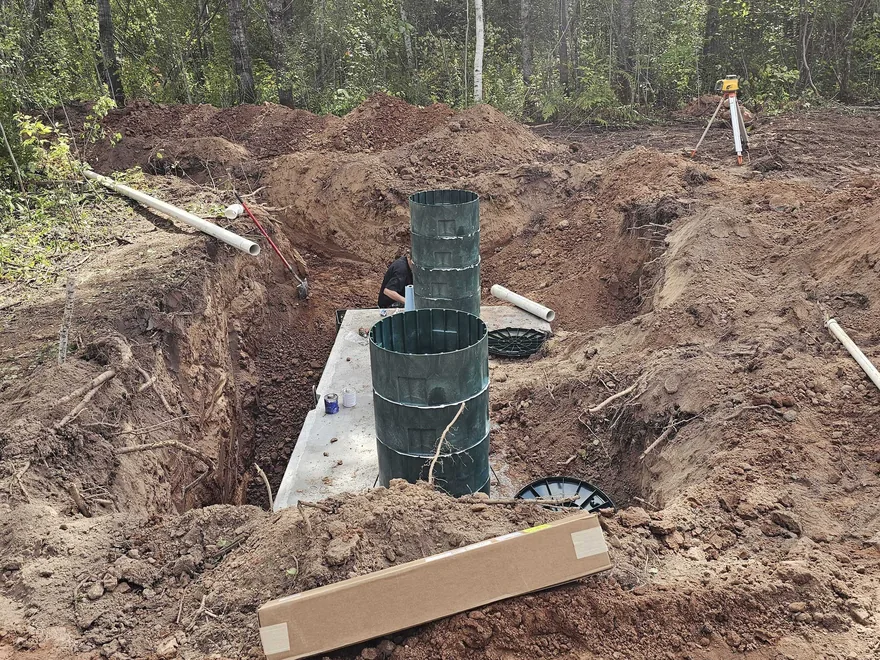
A standard septic system has two main parts: the septic tank and the drainfield. Waste flows from the house to the tank, where bacteria break down the solids. The liquid, called effluent, moves on to the drainfield, and the soil finishes the treatment.
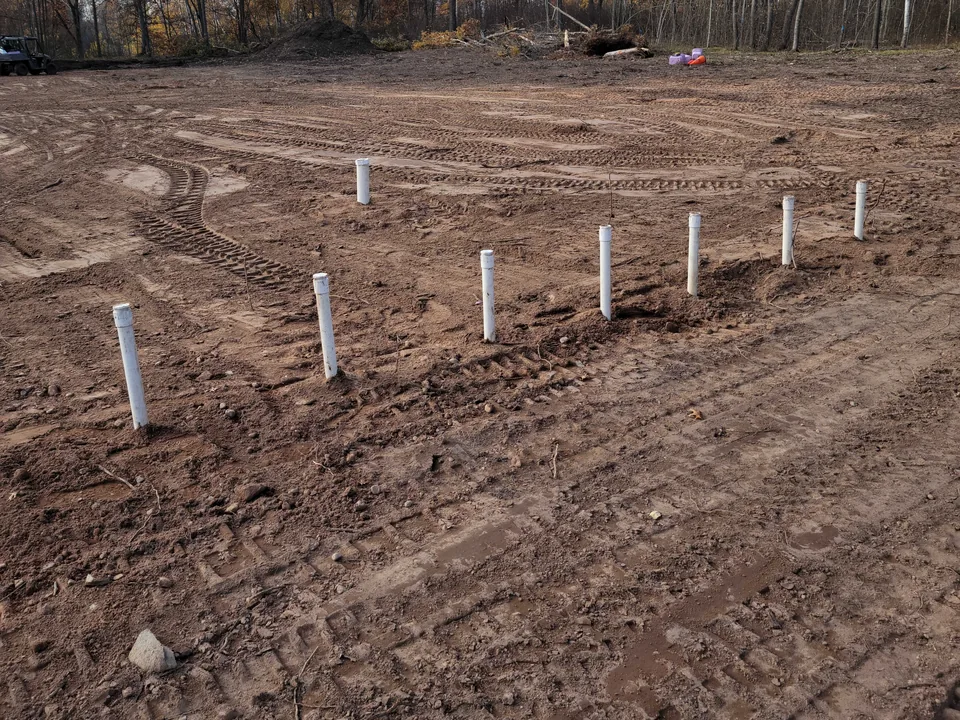
Trenches are the most common drainfield in Minnesota, dug into the natural soil. State rules call for at least three feet of treatment soil under the drainfield, above bedrock and seasonally wet soil. Where wet soil sits closer to the surface, the designer may call for an at-grade or a mound. An at-grade sits right on the natural ground, and a mound raises the drainfield on clean sand.
At-grades and mounds spread the effluent under pressure, so it reaches the whole bed evenly. Near Sturgeon Lake, the federal soil survey maps sand that drains too fast to treat effluent well. In sand, the rules add a step for trenches, like pressure distribution. Farther out, much of the ground is wet till and peat, which can hold water near the surface.
Each of the five counties we serve runs a septic permit program. Inside Sturgeon Lake city limits, the city code also calls for a city permit where sewer is not available. Aitkin County does not regulate septic inside its incorporated cities. St. Louis County excepts cities that run their own septic program.
In Hermantown, a lot without public sewer gets no building permit until a septic permit is in hand. Pine County and Carlton County septic permits expire 12 months after they are issued. On a lake or river lot, shoreland rules set how far the system stays from the water. The permit office for your lot has those numbers, and we point you there.
Minnesota's well code keeps a septic tank and a drainfield at least 50 feet from a well. For a well with less than 50 feet of watertight casing, the drainfield distance usually doubles. State septic rules set the tank at least 10 feet from buildings and the drainfield at least 20 feet. Both stay at least 10 feet from property lines.
Call or text for a written quote. We work about 50 miles around Sturgeon Lake across Pine, Carlton, Kanabec, Aitkin and St. Louis Counties.
(218) 820-9653From the first call or text to the finished work, here is how it goes.
Call or text (218) 820-9653 and tell us about the job. Let us know where the land is and what you plan to build.
We come out and look over the land and the work you want done. Wet ground and thick woods both change the plan, so we see them first.
We put a free estimate in writing for the work. You read it over and decide when you are ready.
Before any digging, a locate ticket goes in through Gopher State One Call (811). Septic work waits for the designer's plan and the permit.
We do the work with heavy equipment and clean up the debris at the end. Then the site is ready for the next trade, like the builder or the paving company.
Common questions about septic systems around Sturgeon Lake and the surrounding counties. If yours is not here, call or text and ask.
We take down old houses, cabins, barns and sheds, and the concrete foundation comes out with them. The debris gets hauled away, and the site is ready for the next build.
Learn More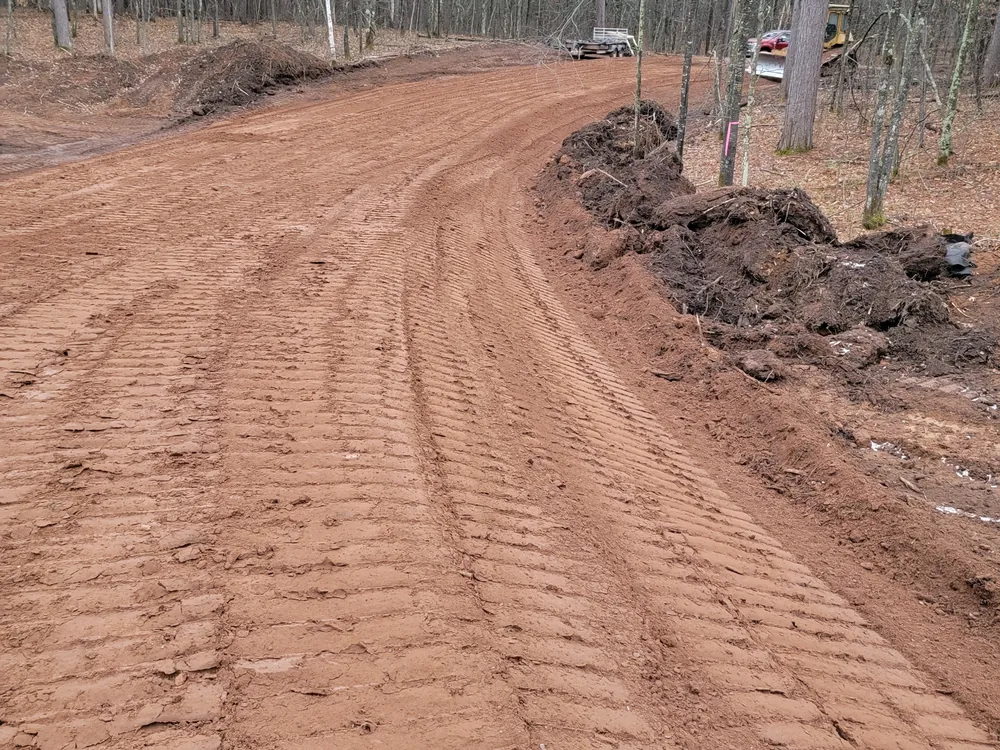
We build gravel driveways and private roads, and the base under paved driveways. We also haul gravel and repair driveways that rut or wash out.
Learn More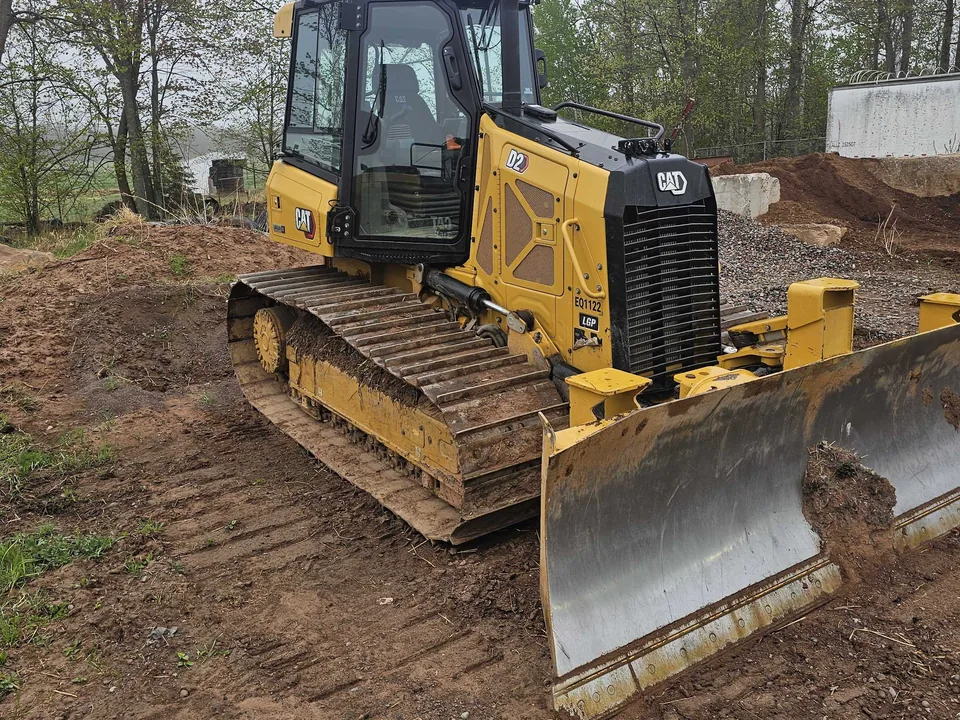
We get a bare lot ready to build on, with the basement dug and the house pad graded. We also install sewer and water lines and dig ponds.
Learn MoreSite prep, land clearing, septic systems, demolition and driveways all come from us. You deal with one company for the dirt work.
We look at the land and the job before we price it. Then you get a free estimate in writing.
Our service area reaches about 50 miles around Sturgeon Lake. It covers Pine, Carlton, Kanabec, Aitkin and St. Louis Counties.
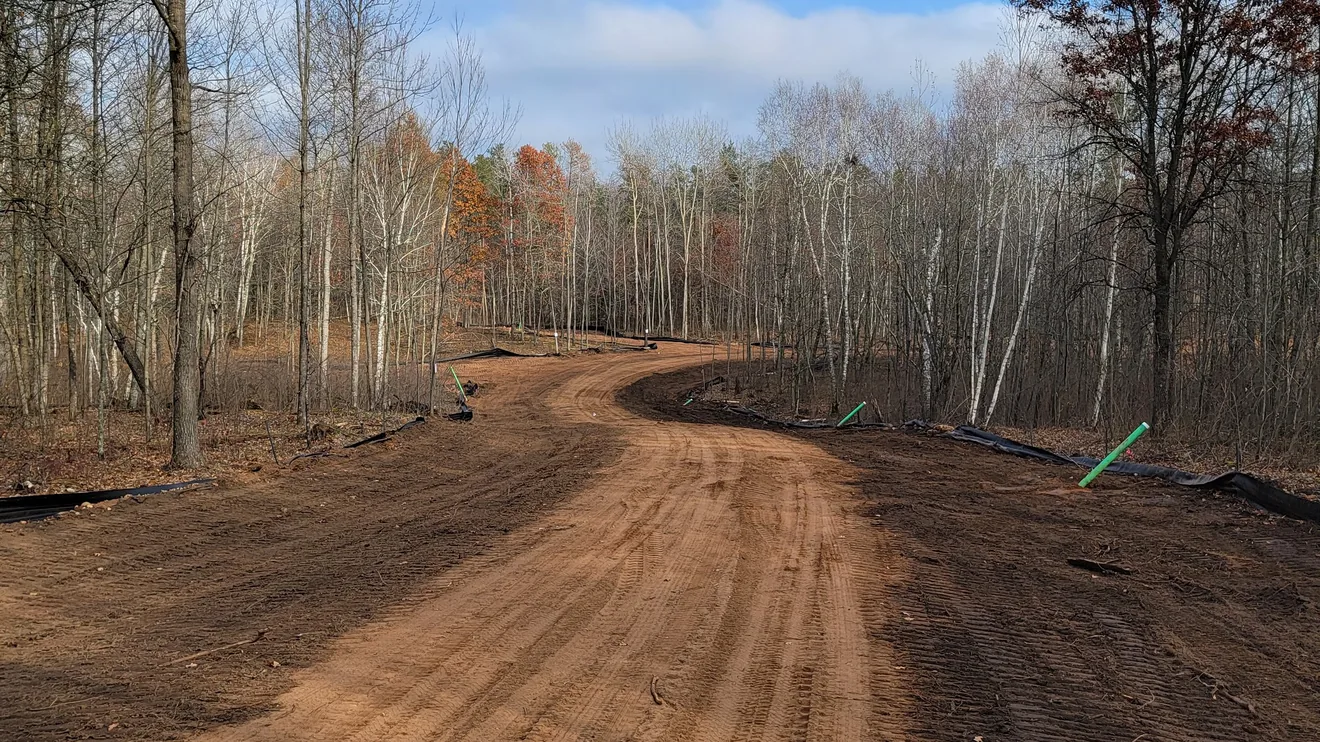
What a new septic system costs in Minnesota: market ranges for trench and mound systems, the designer, county permit fees, tank size and the soil test.
Read more →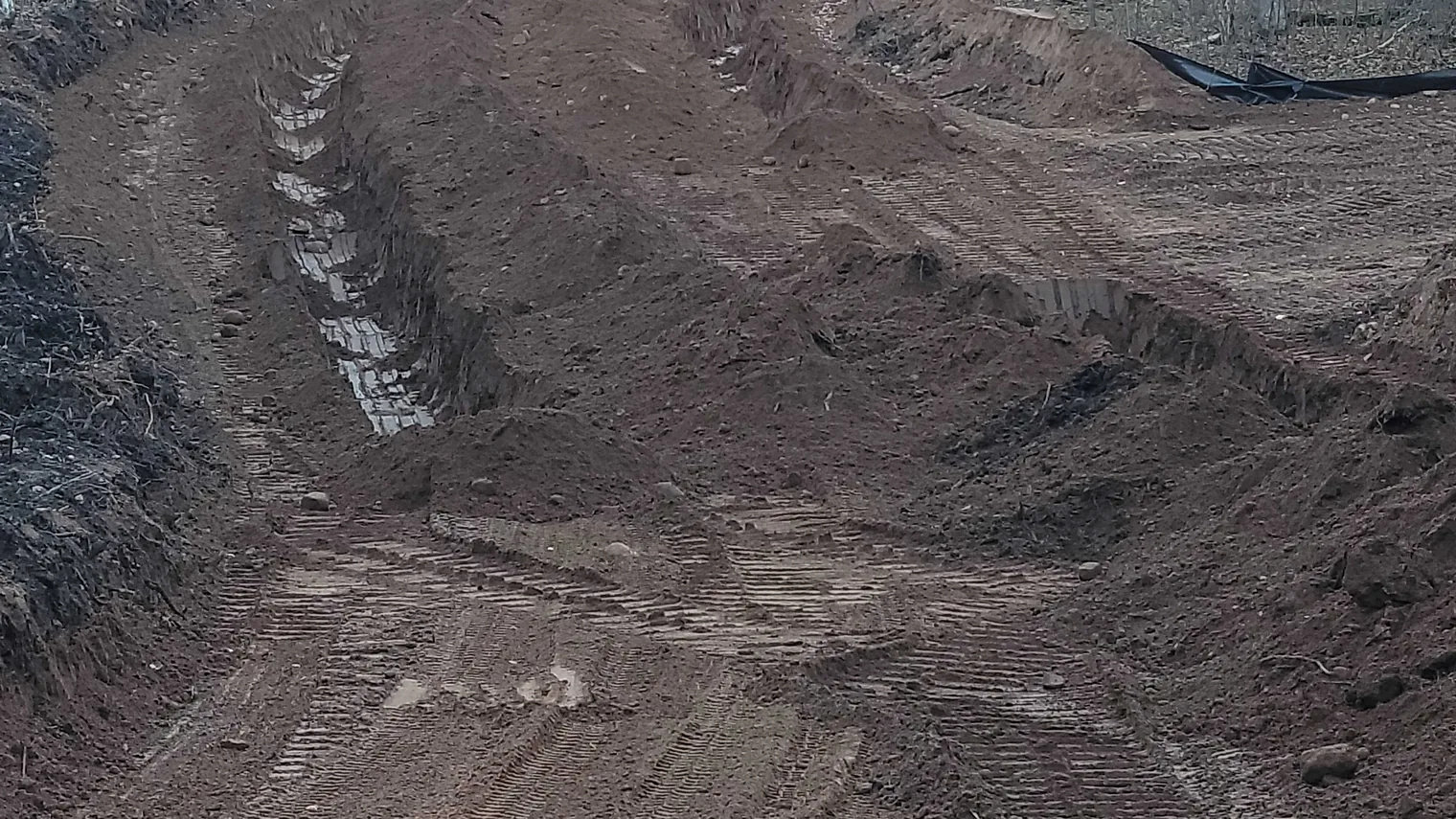
Site prep for a new home in Minnesota, in order. The soil test and permits, clearing, the driveway, the basement dig, septic, the well and final grade.
Read more →Tell us where the land is and what you want done on it. Call or text (218) 820-9653 or send the form, and we set up a time to look at the job.
Tell us about the job and where the property is. We look at it and put your free estimate in writing.